
What to Expect From Your Local Irrigation Company
An irrigation system affects the health of grass, planting beds, trees, and other vegetation throughout a property. Its performance depends on thoughtful design, correct installation, suitable scheduling, and regular attention to components exposed to soil, weather, and daily use. Understanding how irrigation professionals approach this work helps homeowners prepare for service and recognize what each stage contributes to reliable watering.
Working with a local irrigation company usually begins with a conversation about the property and the reason for the appointment. Some homeowners need a new system, while others may be dealing with uneven coverage, leaking components, damaged sprinkler heads, or controls that no longer match the season. Clear information about the concern gives the provider a useful starting point before the physical assessment begins.
Initial Consultation and Property Assessment
A local irrigation company should examine more than the area where a visible problem appears. The assessment may include the property's size, slopes, soil, sunny and shaded sections, plant types, water pressure, drainage, and existing equipment. These conditions affect how water moves through the system and how quickly different areas absorb or lose moisture.
Homeowners can also expect questions about how the property is used. Play spaces, walkways, driveways, fences, gardens, and future planting plans may influence sprinkler placement or system operation. If an existing system is present, the technician may run individual zones and inspect heads, valves, connections, and controller settings. This broader review helps distinguish an isolated repair from a coverage or design concern affecting several areas.
System Design and Watering Zones
A well-designed system divides the property into zones based on watering needs and physical conditions. Sunny turf, shaded grass, planting beds, and sloped areas may require different schedules or application methods. Grouping areas thoughtfully gives the controller more precise control over when and how long each section receives water.
According to HomeGuide, irrigation installation plans are organized by landscaping zones, and a typical yard uses approximately three to five zones containing five to ten sprinkler heads apiece. The final arrangement still depends on the property's layout, available water pressure, vegetation, and chosen equipment. A design should account for head spacing and spray patterns so adjacent sprinklers provide balanced coverage. It should also limit unnecessary watering of pavement, structures, and other nonplanted surfaces.
Careful System Installation
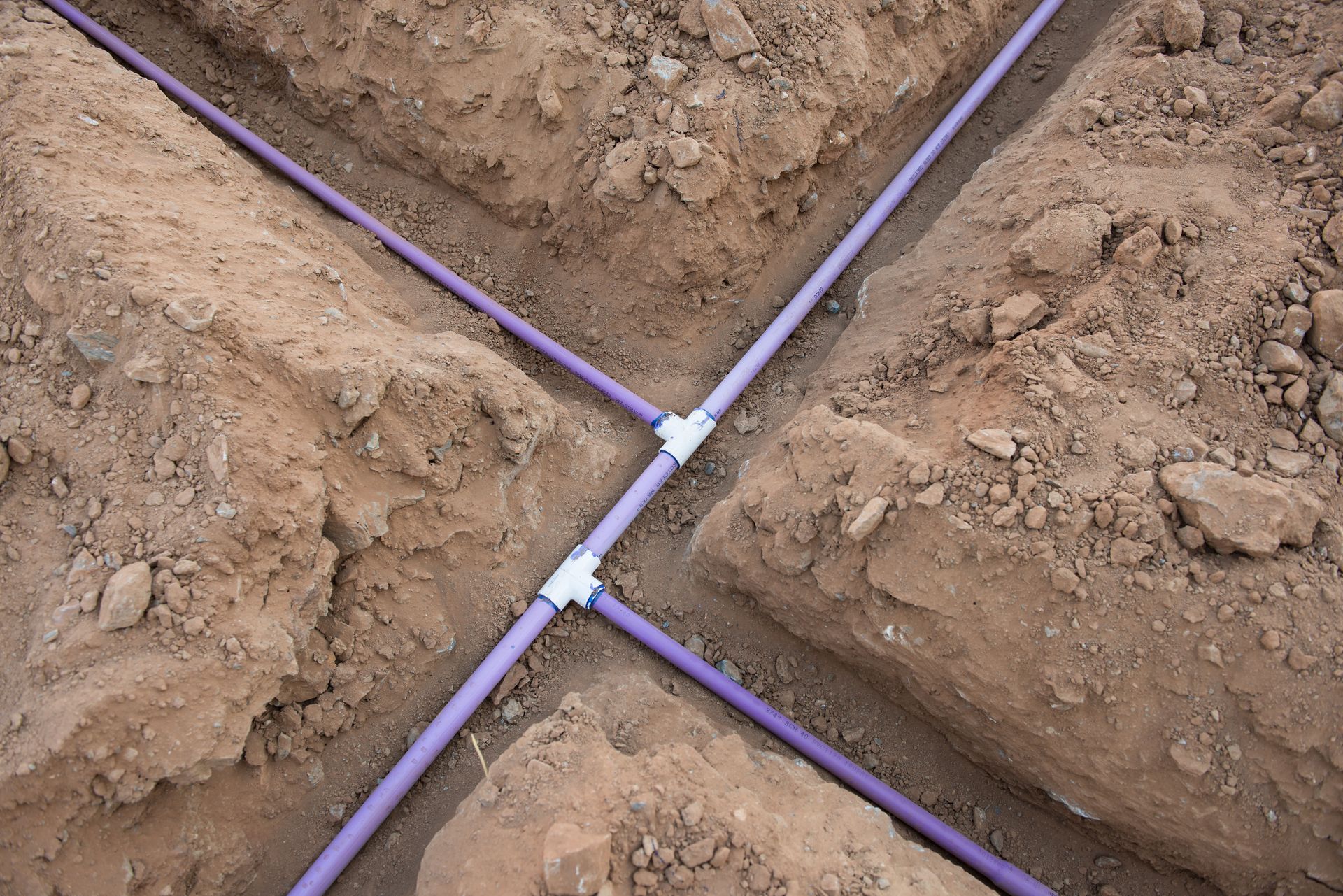
When installing a new system, a local irrigation company should follow the approved plan while adapting to confirmed site conditions. The work may involve marking zones, determining line routes, placing valves, installing sprinkler heads or other watering components, and connecting the controller. Crews should also consider existing utilities, hard surfaces, established roots, and areas that need protection during the project.
Once the main components are installed, the system should be tested zone by zone. Testing allows the technician to observe spray direction, water pressure, leaks, head movement, and controller communication. Adjustments may be needed to correct overspray, improve coverage, or prevent one sprinkler from interfering with another. A final review confirms how the installed components operate together before regular watering begins.
Controllers and Water-Saving Technology
Modern irrigation controllers can provide more flexibility than a single repeating schedule. Depending on the system, controls may support multiple programs, seasonal adjustments, rain delays, moisture sensors, or weather-responsive operation. Some models can also connect to mobile applications, allowing authorized users to review schedules or receive system information remotely.
Technology is most helpful when its settings reflect the property rather than relying on default programming. Different zones may need separate start times, run times, and watering frequencies based on soil, plant type, shade, and slope. A technician can explain the controller's main functions and how weather-related features affect normal operation. This guidance allows the homeowner to understand what the system is doing without having to interpret unfamiliar controls alone.
Maintenance and Professional Repairs
Regular irrigation maintenance can uncover worn or damaged parts before they disrupt a larger portion of the system. A local irrigation company may inspect sprinkler heads, nozzles, valves, exposed connections, controller settings, and visible spray patterns. The technician can also look for blocked heads, sunken components, misdirected spray, pooling water, or unusually dry sections that suggest a developing problem.
Repair work should address the cause of the issue rather than only its most visible sign. A dry patch could result from a clogged nozzle, poor alignment, low pressure, damaged piping, or an incorrect schedule. Likewise, standing water could point to a leaking valve, broken connection, drainage condition, or excessive run time. Testing helps identify which component or setting needs attention before the system returns to normal operation.
Seasonal Adjustments and Cold-Weather Preparation
Watering needs change with temperature, rainfall, plant growth, and periods of dormancy. A local irrigation company can adjust zone schedules as conditions shift instead of allowing peak-season settings to continue throughout the year. These changes can reduce unnecessary watering while providing appropriate support during hotter or drier periods.
In regions with freezing temperatures, winter preparation may be another important part of professional service. Water remaining in vulnerable components can expand when frozen and damage pipes, valves, or sprinkler assemblies. Proper winterization prepares the system for cold conditions, while spring startup allows components to be inspected before routine use resumes. Regional climate knowledge helps determine when these seasonal services are generally appropriate.
Familiarity With Local Requirements
Local providers are often familiar with regional watering restrictions, seasonal rules, permit requirements, and common installation conditions. This knowledge can influence controller programming, system design, and the timing of certain services. It also helps homeowners understand how community requirements relate to the normal use of their irrigation equipment.
Communication and Ongoing Support
Professional service includes clear communication before, during, and after the appointment. Homeowners should understand the planned work, which areas require access, whether watering will be interrupted, and how the system should operate afterward. When repairs or adjustments are completed, the provider can explain what changed and identify any conditions that may need future observation.
An established relationship with a local irrigation company can make future visits more efficient because the provider may already know the system's layout and service history. Records of previous repairs, controller changes, and seasonal appointments provide context when a new concern develops. Responsive scheduling and straightforward explanations also help homeowners know what to expect. That continuity turns separate appointments into coordinated care for the same system.
Choosing a Reliable Provider
Experience, training, communication, and a record of dependable work can help distinguish one irrigation provider from another. Homeowners can review detailed local feedback, ask about experience with similar systems, and discuss how the company approaches assessment and testing. Answers should explain the work clearly without relying on vague promises.
Consistent Support for the Property
A dependable irrigation system begins with a design that reflects the property and continues through installation, programming, maintenance, and seasonal care. Each stage influences how evenly water reaches the intended areas and how readily problems can be identified. Professional assessment connects visible symptoms with the components, settings, and site conditions behind them.
Knowing what to expect makes it easier to communicate concerns and understand the service being performed. A provider familiar with the area's climate, soil, and watering requirements can offer support rooted in local conditions. With careful testing and clear explanations, irrigation service becomes an organized part of maintaining the property. That ongoing attention helps the system continue serving the lawn and plantings as seasons and watering needs change.




Share On: