
Irrigation Systems Design For Efficient Water Distribution
Achieving a vibrant, healthy lawn requires consistent hydration, yet traditional manual watering methods often lead to immense resource waste. Property owners must look toward advanced irrigation systems to achieve uniform water application that keeps turf plush while preserving local supplies. Through deliberate layout planning, these modern setups deliver the exact amount of moisture your lawn requires to thrive without depleting valuable natural reserves.
Developing a highly functional layout demands a deep understanding of environmental variables, ranging from specific turfgrass varieties to localized microclimates. Poorly planned watering routines can quickly cause extensive damage, manifesting as unsightly brown patches or shallow root networks across your yard. Meticulously engineered distribution setups successfully balance optimal plant health with responsible, long-term environmental stewardship.
Maximizing Turf Health With Precision
The primary objective of uniform water distribution is the long-term vitality of your grass blades and soil biology. When water is applied unevenly, some sections of the lawn suffer from severe drought stress while other low-lying areas become completely oversaturated. Precision design ensures that every square foot of turf receives consistent moisture, promoting deep root penetration that helps the lawn withstand intense summer heatwaves.
Beyond aesthetic excellence, precision layouts serve a critical role in resource conservation by preventing unnecessary runoff and deep soil leaching. According to data published by Bluefield, agricultural production is responsible for nearly 70% of the total aquifer withdrawals across the United States, illustrating why urban land managers must optimize their water efficiency. Implementing highly targeted watering zones through advanced irrigation systems significantly alleviates the pressure placed on municipal water treatment plants.
Healthy turfgrass functions as a natural cooling mechanism for your property while simultaneously filtering out common pollutants. However, these environmental benefits are completely lost if the lawn dies of improper hydration or is drowned by overwatering practices. Tailoring your watering strategy to the specific biological needs of your grass species ensures optimal metabolic function and vibrant color throughout the growing season.
Evaluating Soil Texture for Infiltration
Understanding the specific composition of the ground beneath your turf is fundamentally essential before installing any irrigation systems. Soil texture directly dictates how quickly water moves downward through the earth and how much moisture remains available to grass roots over extended periods. Sandy soils consist of large particles that drain rapidly, whereas clay features tightly packed particles that restrict water movement and cause pooling.
Performing a comprehensive soil test allows designers to accurately calculate the specific infiltration rate of your property. This critical measurement determines how long a watering zone can safely run before the ground becomes entirely saturated and begins generating surface runoff. Sandy landscapes require shorter, frequent intervals to keep roots moist, while clay yards benefit from a slow cycle-and-soak method that allows gradual absorption.
Ignoring soil composition during the initial planning phase results in localized flooding, high water bills, and severely stressed turfgrass. Loam soil represents an ideal balance, retaining moisture beautifully while still providing excellent drainage for healthy plant development. Aligning your distribution tactics with these subterranean characteristics guarantees that every gallon applied goes directly toward nourishing your lawn rather than running down the street storm drain.
Customizing Zone Layouts for Coverage
No single lawn features completely uniform topography, sun exposure, or landscaping elements across its entire acreage. Dividing a property into distinct, independent watering zones is the most effective method for managing these diverse environmental variables successfully. Modern irrigation systems must be separated logically so that open, sun-drenched turfgrass is never managed on the same circuit as shaded areas beneath mature trees.
Sloped areas present another serious design challenge because gravity naturally pulls water downward before it can soak into the turf. Zones placed on hillsides require specialized adjustments, such as low-precipitation sprinkler heads, to ensure the water matches the slow absorption rate of the incline. Flat areas handle higher volumes delivered quickly, whereas narrow side yards need targeted spray patterns to prevent concrete overspray.
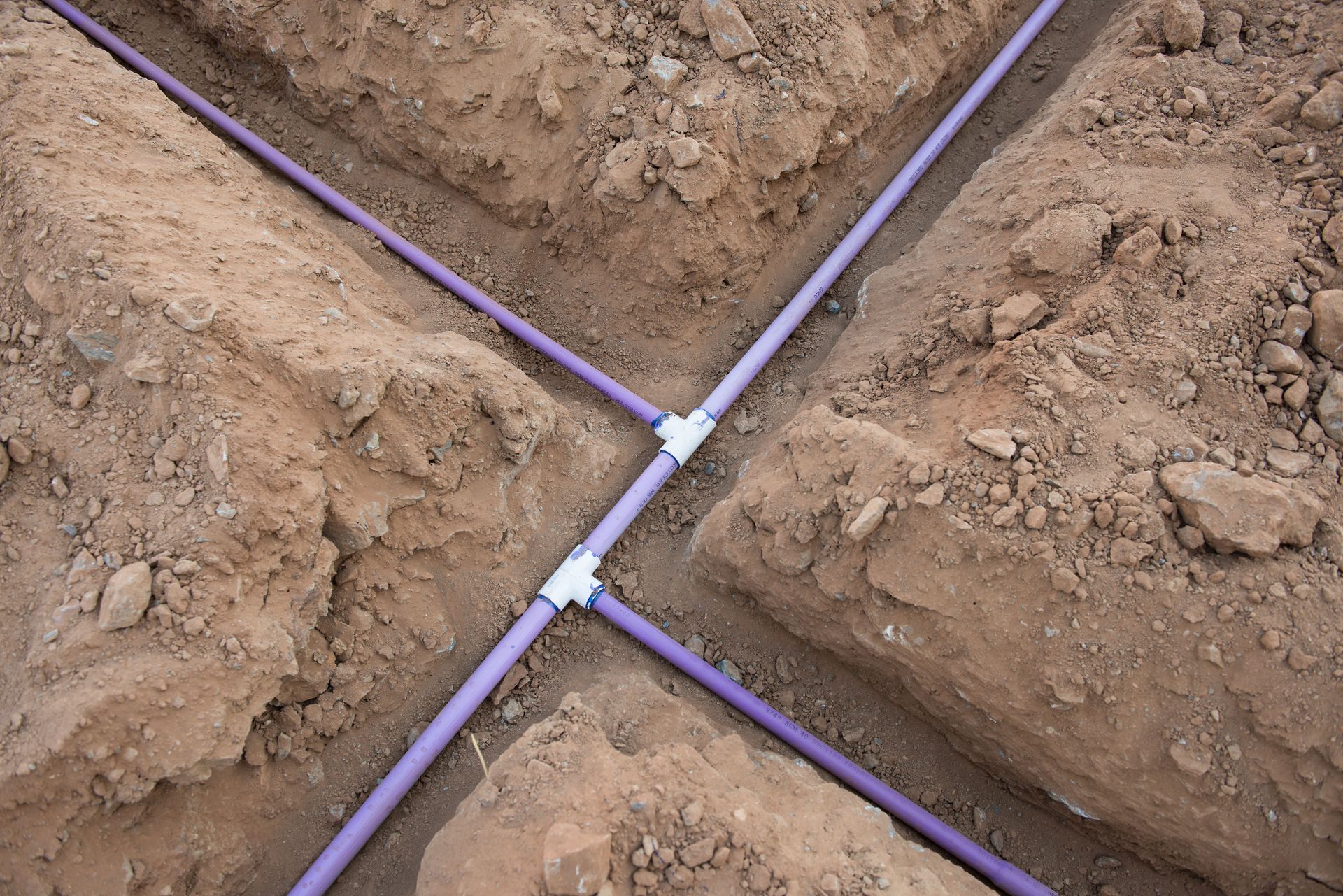
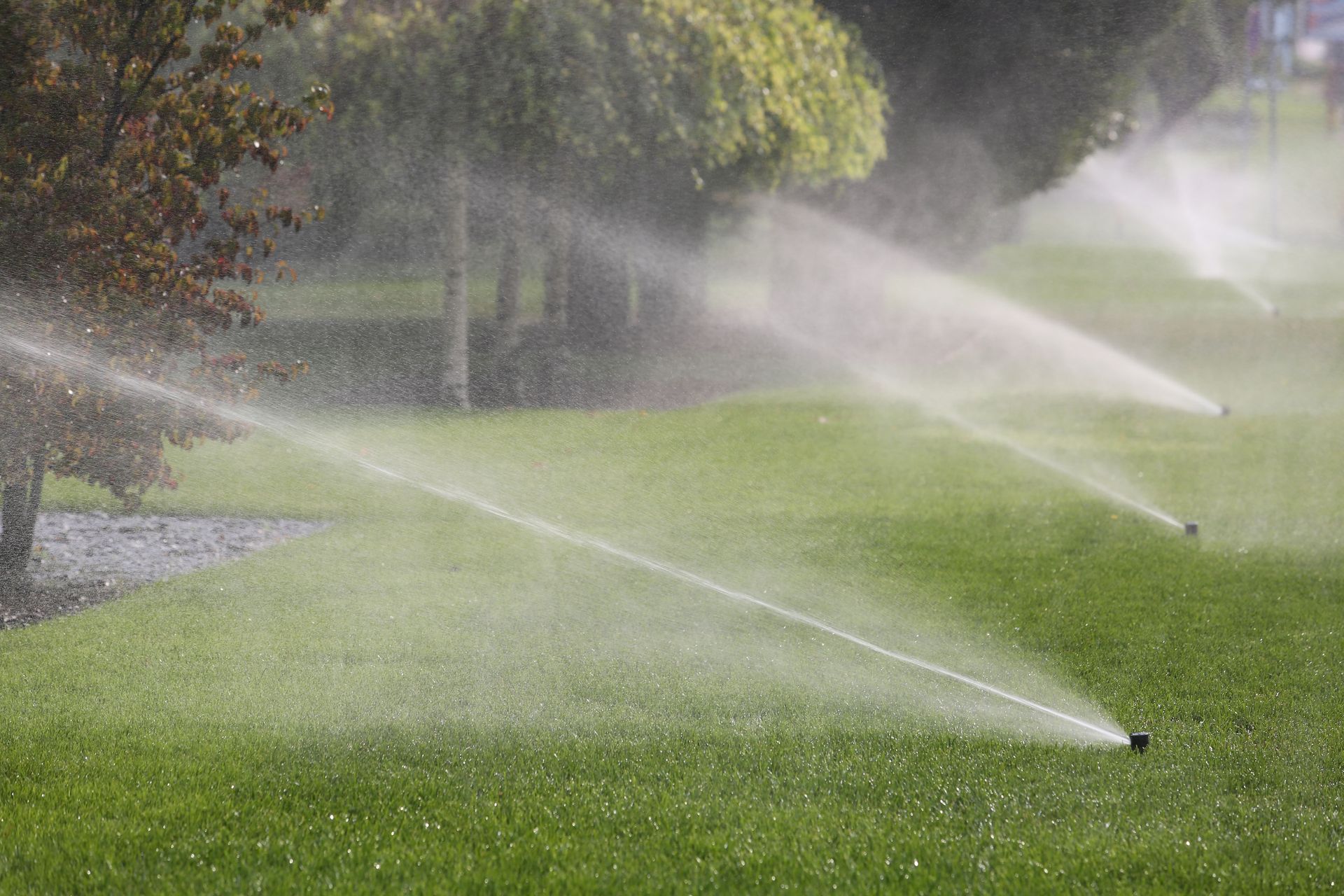
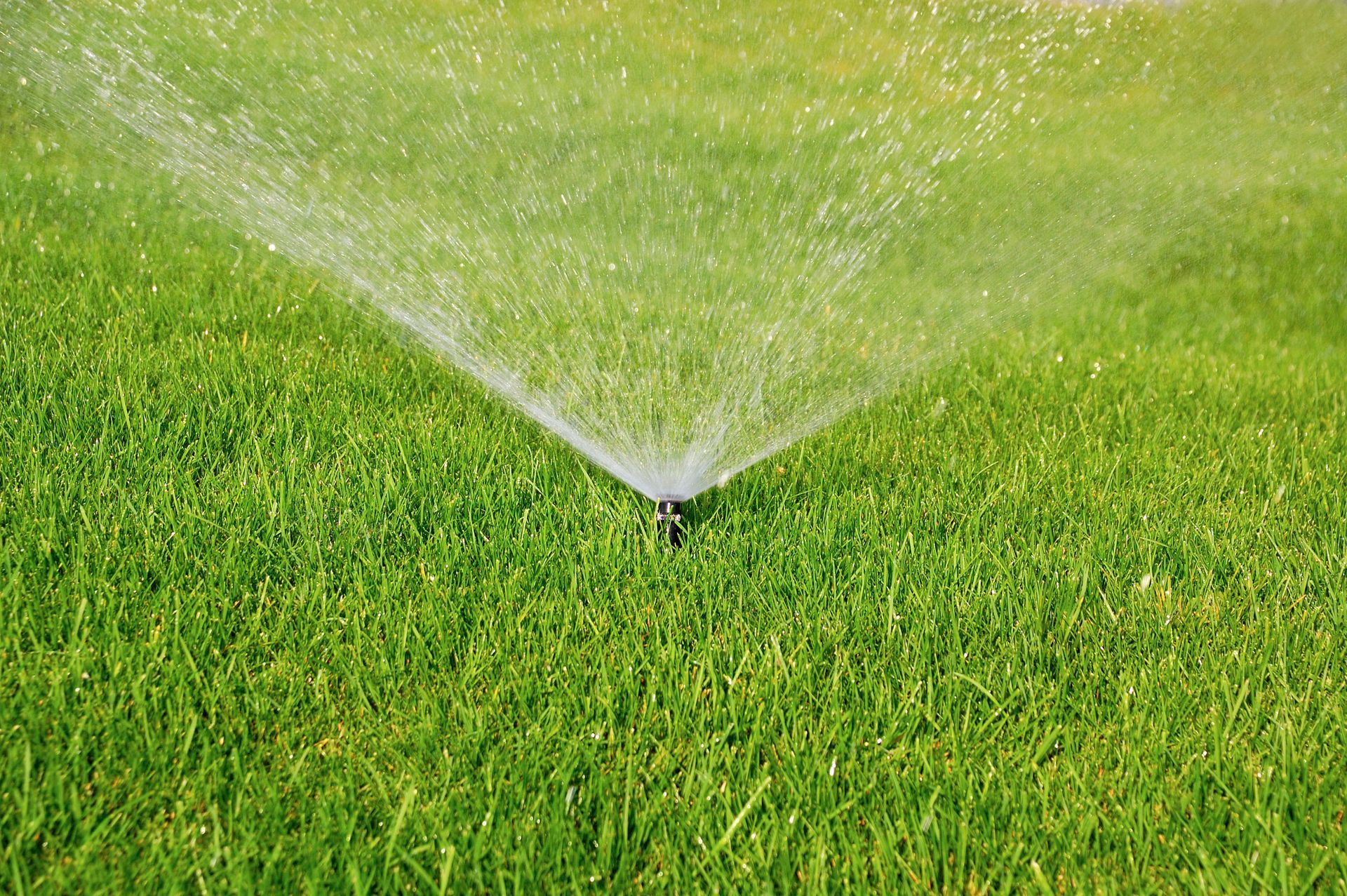
Achieving true head-to-head coverage is the golden rule of professional layout planning, meaning the spray from one sprinkler must reach the adjacent head. This overlap prevents dry rings and uneven growth patterns that commonly plague amateur, poorly spaced installations. By carefully calculating spacing and water pressure across every unique zone, designers guarantee a flawless distribution pattern that keeps your entire landscape looking completely uniform.
Integrating Smart Technology for Automation
The landscaping industry has experienced a major technological revolution, moving far beyond simple mechanical timers that run regardless of weather conditions. Incorporating advanced automation into modern irrigation systems allows property owners to manage their water footprints with unprecedented accuracy and minimal effort. Smart controllers utilize local Wi-Fi connections to pull live meteorological data, automatically pausing scheduled events when heavy rain or freezing temperatures are forecast.
Soil moisture sensors represent another incredible advancement, providing real-time data from beneath the ground directly to your smartphone controller. These underground devices measure the actual volumetric water content around the root zone, preventing the system from activating if the soil is already sufficiently wet. Utilizing smart irrigation systems equipped with these responsive sensors eliminates guesswork entirely, ensuring that your lawn receives moisture only when necessary.
High-tech flow meters can also be integrated to monitor the volume of water moving through underground pipes during each operational cycle. If a line breaks or a sprinkler head gets damaged, the smart system instantly detects the abnormal flow rate and shuts down the affected zone immediately. This automated intervention prevents catastrophic flooding, protects the landscape from erosion, and alerts the property owner via instant mobile notifications.
Scheduling Optimal Windows for Distribution
Determining exactly when to water your lawn is just as critical as choosing where to place the individual sprinkler heads. Well-designed irrigation systems rely heavily on scientifically proven scheduling windows to maximize water absorption and minimize atmospheric losses. The absolute best time to hydrate turfgrass is during the early morning hours, specifically before the sun rises high into the sky.
Midday watering should be avoided because intense sunlight causes rapid evaporation before the moisture can even reach the root system. This wasteful practice can also shock hot grass blades, leading to scorching and weakened plant defenses against common lawn diseases. Similarly, watering late in the evening creates a hazardous environment by leaving grass blades wet for many consecutive hours overnight, inviting fungal pathogens.
Seasonal adjustments are another crucial component of a successful, highly efficient watering schedule that keeps pace with changing weather patterns. A lawn requires significantly less water during the cool spring and autumn months than it does during the peak heat of summer. By maintaining strict control over your watering windows throughout the year, you protect your landscape from disease while optimizing every single drop of water.
Designing a highly efficient system for water distribution is an essential investment for anyone committed to maintaining a healthy, beautiful lawn. By carefully analyzing soil textures, customizing independent watering zones, and integrating advanced smart technologies, property owners can achieve spectacular landscape aesthetics without wasting valuable natural resources. Sustainable lawn care requires a perfect balance of biological understanding and mechanical precision, ensuring that every drop of water serves a specific purpose in nurturing the turf.
Investing in professional design enhances the long-term health of your grass and delivers substantial financial savings on monthly utility bills. Eliminating runoff, preventing disease outbreaks, and utilizing automation tools will keep your property looking pristine throughout every season of the year. To transform your outdoor spaces with state-of-the-art
irrigation systems, let us handle your next installation project at Commercial Irrigation so we can build your dream landscape together.


Share On: