
Smart Lawn Watering Tips to Save Water and Keep Your Grass Healthy
Maintaining a lush, green lawn while being mindful of water conservation can be a delicate balance. These practical, smart watering tips help save water, reduce costs, and keep your grass healthy and vibrant. By understanding your lawn's unique needs, employing efficient watering techniques, and incorporating technology, you can optimize water usage. With the added benefit of fostering a sustainable environment, these practices support both individual and communal water conservation efforts.
Understanding Your Lawn's Water Needs
The type of grass on your lawn plays a major role in determining how much water it needs. Cool-season grasses like Kentucky bluegrass have different watering demands than warm-season varieties such as Bermuda grass, so identifying your grass type is a key first step in building an effective watering routine. Local weather conditions also influence how often and how much you should water. Areas with frequent rainfall typically need fewer supplemental irrigation systems than drier regions, and factors like humidity and wind can further affect moisture loss. Taking these elements into account helps you align watering habits with natural conditions and avoid unnecessary water use.
Soil composition is another critical factor that affects how water is absorbed and retained. Clay soils hold moisture longer than sandy soils, which drain more quickly and often need lighter, more frequent watering. According to Lawnstarter, lawns containing clay-based soil usually require around 1 inch of water, while sandy soil only needs half. Recognizing signs of overwatering or underwatering, such as fungal growth, runoff, dry patches, or discoloration, allows you to make timely adjustments. Combining grass type, climate awareness, soil characteristics, and visual monitoring creates a practical watering plan that supports healthier growth and reduces wasted water throughout the year.
Implementing Efficient Watering Practices
Watering your lawn early in the morning allows moisture to absorb into the soil more effectively before the heat increases evaporation. Morning watering supports deeper root growth and helps prepare grass for higher daytime temperatures. Wind conditions also matter, as watering during strong airflow can cause uneven distribution and unnecessary water loss. Choosing calm weather improves coverage and allows water to reach the areas where it is needed most. Consistently following a morning watering schedule helps maintain uniform lawn health across all seasons. This habit also reduces the risk of fungal growth by allowing grass blades to dry during the day.
Techniques such as cycle and soak watering help improve soil absorption and reduce runoff by applying water in short intervals. Deep, infrequent watering encourages roots to grow downward, making the lawn more resilient during dry periods. Mulching around landscaped areas further helps retain soil moisture while reducing evaporation and weed growth. Together, these practices support efficient watering and healthier lawn growth throughout the year. Regularly evaluating soil moisture after watering ensures your lawn receives the right amount without overwatering. Implementing these strategies also creates a more drought-tolerant lawn that can withstand heat waves and dry spells.
Using Technology for Optimal Benefits
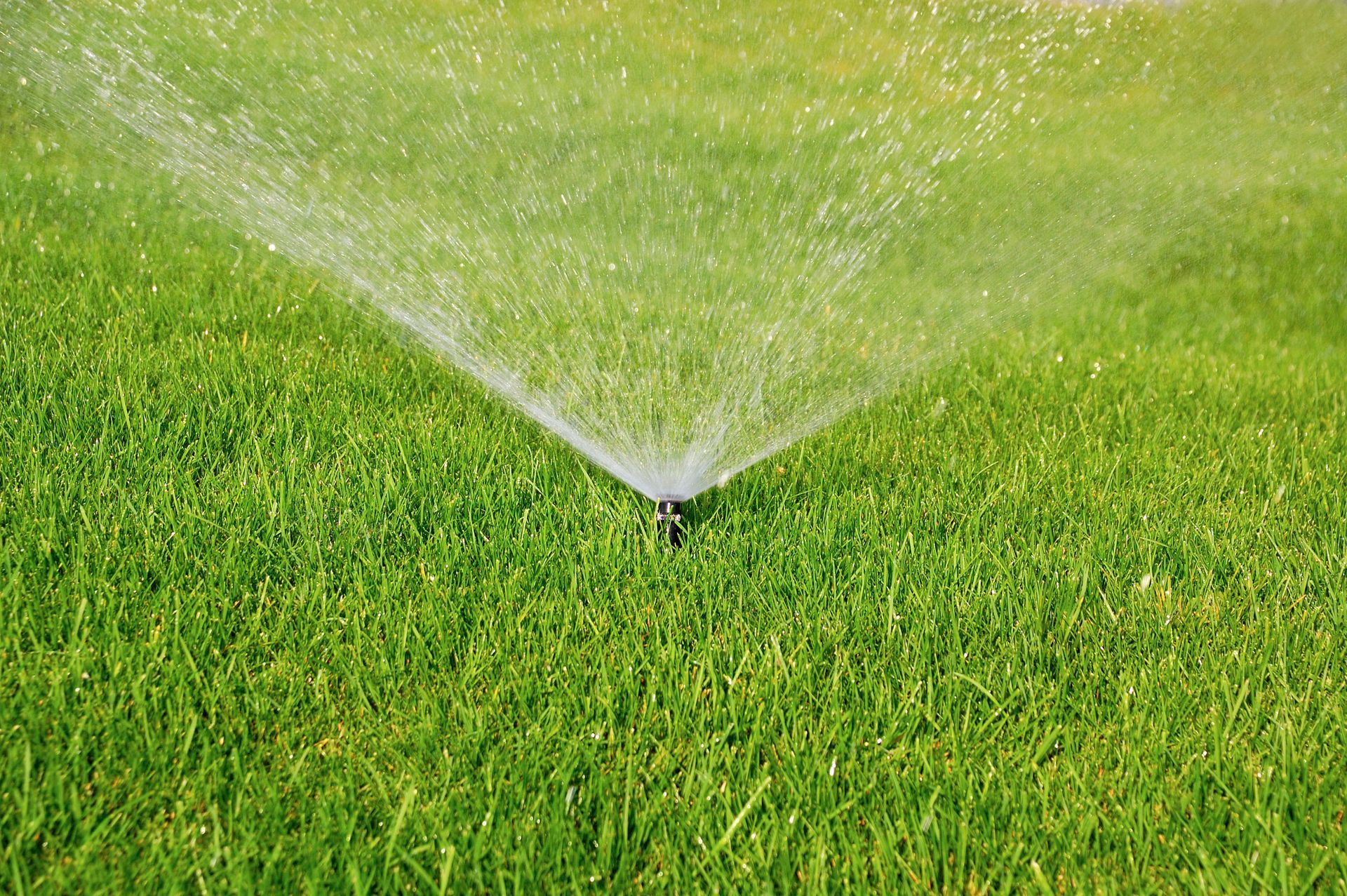
Smart irrigation technology makes lawn care more efficient by using real-time environmental data to adjust watering schedules automatically. Smart controllers and soil moisture sensors work together to apply water only when needed, reducing waste and lowering the risk of overwatering. Weather-based adjustments allow systems to respond to rainfall, temperature changes, and dry conditions without manual input. This level of automation improves precision across lawns with varying needs, supports sustainable water use, and lowers utility costs.
Targeted solutions like drip irrigation and mobile app integration further improve control and efficiency. Drip systems deliver water directly to plant roots, limiting evaporation and runoff while supporting consistent plant health. Mobile apps allow homeowners to monitor, adjust, and receive alerts about their irrigation systems from anywhere. Access to usage data and performance history helps refine watering habits over time, making modern irrigation systems both convenient and environmentally responsible. These tools also help identify areas of your lawn that may need extra attention, ensuring more uniform growth across your landscape.
Conserving Water and Reducing Waste
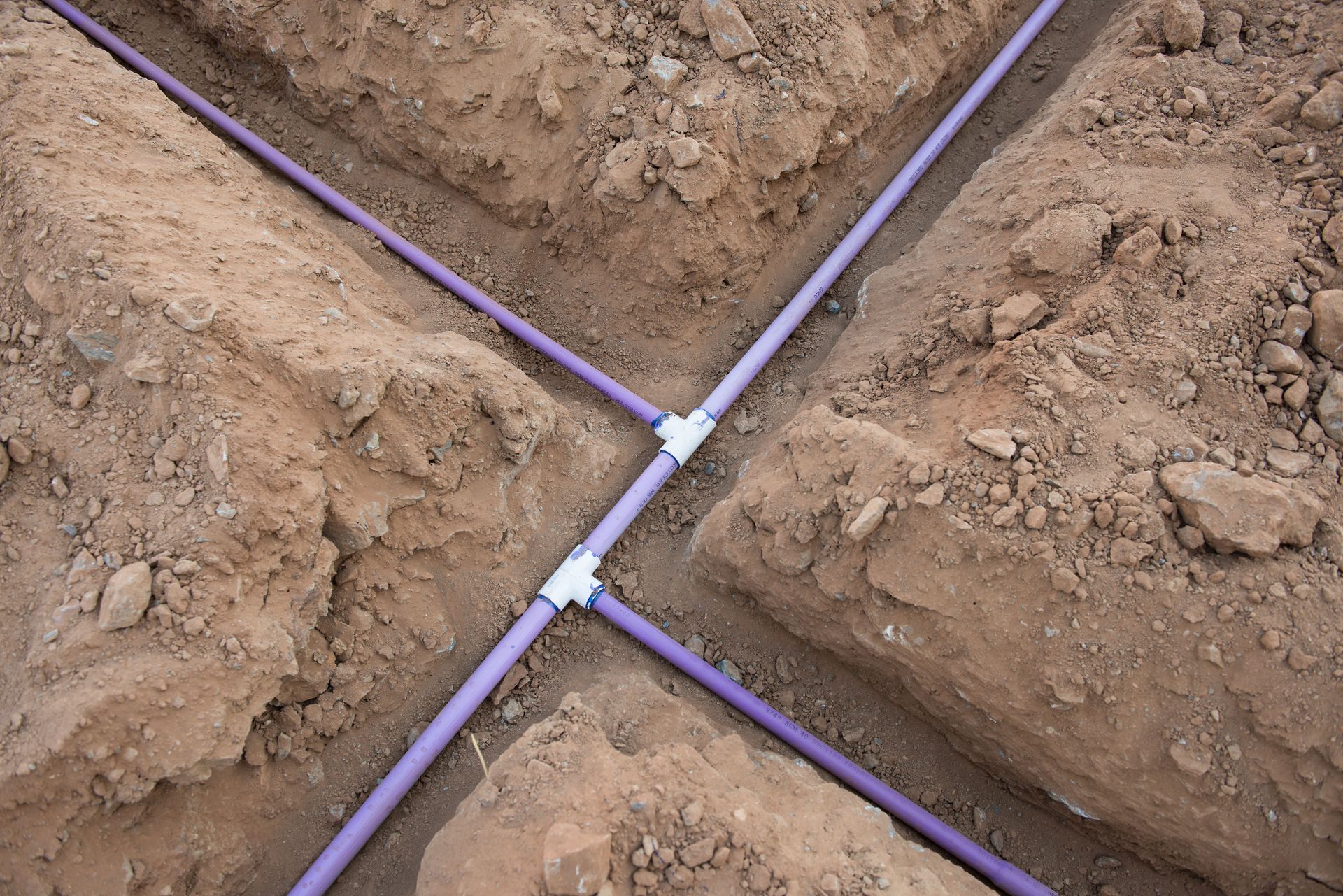
Harvesting rainwater is an effective way to support sustainable lawn care while reducing reliance on municipal water. Collecting and storing rainwater provides a natural, chemical-free source of hydration for your lawn during dry periods, helping to lower utility costs and promote healthier grass. Pairing this practice with regular maintenance of irrigation systems, such as checking for leaks or clogs, supports efficient and consistent water usage. Proactive upkeep also extends the life of your system and protects your investment in a vibrant, well-watered lawn.
Choosing drought-resistant grass varieties like fescue or zoysia further reduces water needs, maintaining a green lawn even during dry spells. Incorporating sustainable landscaping practices, including xeriscaping and climate-appropriate plant selection, minimizes supplemental watering while supporting biodiversity and soil health. Educating your community about water conservation amplifies these efforts, as sharing tips and strategies encourages neighbors to adopt efficient practices. Together, these approaches create a lawn that is both attractive and environmentally responsible.
Understanding Common Lawn Watering Issues
Effective lawn management involves controlling pests and diseases without overwatering, which can worsen infestations and promote fungal growth. By understanding your grass’s specific needs and maintaining proper hydration, you create conditions that deter pests naturally. Regular monitoring combined with integrated pest management techniques helps maintain a balanced lawn ecosystem. Addressing these issues thoughtfully protects your lawn while conserving water resources. Proper drainage is also essential for lawn health, keeping water spread evenly and preventing waterlogging. Solutions like grading, French drains, or soil aeration improve drainage, reduce shallow roots, and lower the risk of root rot.
Aeration further enhances water penetration, particularly in compacted or clay-heavy soils, by allowing air, water, and nutrients to reach the roots more effectively. This promotes deeper root growth and reduces surface runoff. During drought conditions, adjusting watering strategies by prioritizing deep irrigation systems, mulching, and reducing mower height helps conserve water while supporting resilient turf. Additional techniques such as contour mowing, rain gardens, and the cycle and soak method improve water use efficiency and minimize runoff. These combined practices protect both your lawn and surrounding waterways, promoting sustainable and effective lawn care.
Evaluating the Environmental and Economic Impacts
Optimized watering can reduce water consumption and lead to noticeable savings on your utility bills. By monitoring usage patterns and adopting efficient irrigation strategies, homeowners can lower expenses over time. Comparing bills before and after implementing these practices highlights the financial benefits clearly. Beyond cost savings, efficient watering also supports environmental goals by reducing strain on local water resources. Conserving water protects freshwater supplies and helps maintain the health of surrounding ecosystems and aquatic life.
Maintaining a healthy, well-watered lawn provides long-term advantages beyond immediate appearance. Proper care can enhance property value, support local biodiversity, and create usable recreational space. Investing in smart irrigation systems and water-saving practices reduces overall water use, and these systems often pay for themselves over time. Participating in local water conservation programs offers additional incentives and promotes community sustainability. Together, these practices contribute to both financial savings and broader environmental stewardship.
By applying smart irrigation systems techniques, incorporating technology, and fostering a deeper understanding of your lawn's needs, you can achieve a thriving, green yard while contributing to water conservation efforts. Taking steps to use water more efficiently not only benefits the environment but also keeps your lawn healthy and reduces costs over time. Each decision made in favor of conservation today promotes a healthier ecosystem for future generations. Transform your lawn into a lush, healthy, and water-efficient space with Commercial Irrigation’s expert design and installation of the perfect irrigation system for your needs. Call us today!



Share On: